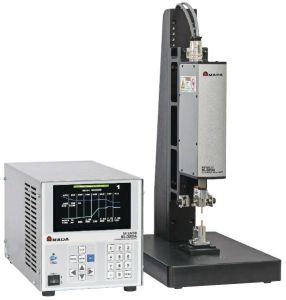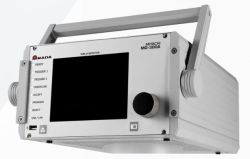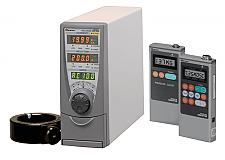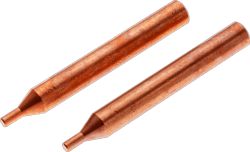
In a Solid State Resistance Welding Bond (also referred to as thermocompression bonding), dissimilar materials with dissimilar grain structure, e.g. molybdenum to tungsten, are joined using a very short heating time, high weld energy, and high force.
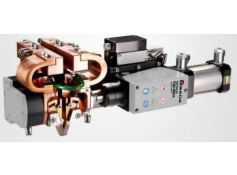
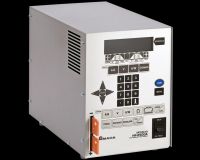
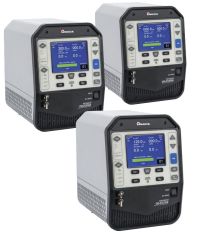
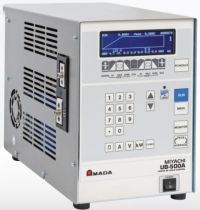
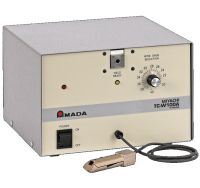
Thermocompression bonding tools include Capacitive Discharge Welders, HF Inverters, Linear DC Welders.
FUSION BOND
 In a Fusion Resistance Welding Bond, either similar or dissimilar materials with similar grain structures are heated to the melting point (liquid state) of both. The subsequent cooling and combination of the materials forms “nugget� alloy of the two materials with larger grain growth. >
REFLOW BRAZE BOND
 In a Reflow Braze Resistance Welding Bond, resistance heating of a low temperature brazing material, such as gold or solder, is used to join either dissimilar materials or widely varied thick/thin material combinations. The brazing material must “wet� each part and possess a lower melting point than the two workpieces.
 A key parameter of resistance welding is weld pressure or force. The proper and consistent application of force improves the mating of the materials increasing the current paths, reducing the interface resistance, and insuring that any oxide barriers between the workpieces are broken through. Repeatable force control insures repeatable weld quality through consistent electrical contact resistance and consistent heat balance. Force control can also be used to trigger resistance welding energy when a pre-determined force level has been achieved, often called "force firing". Optimum welds are achieved when the applied force is precise, repeatable, controlled by time schedule, used to fire the power supply, and regulated both to reduce the initial impact and not to become excessive after the weld.
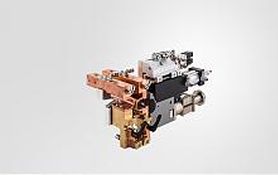
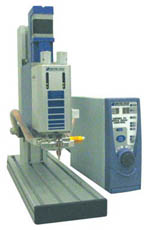
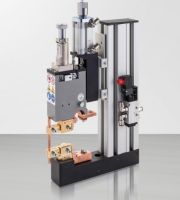
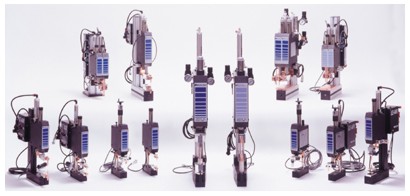
The mechanical system to do so is generally referred to as the weld head. The weld head (including resistance welding electrodes), functions to force the workpieces together and hold them during the weld. The resistance welding head provides the current path, welding pressure or force, triggers (initiates) the weld current, provides follow-up force as the workpieces melt together, and cools the workpieces after the weld. Development of a weld head force schedule is equally as important as development of a power supply schedule. The ideal force schedule insures that proper electrical contact resistance and proper heat balance are both achieved and maintained between the workpieces and the electrodes. Force is measured in pounds (lbf), Kilograms (Kgf) or Newtons (N or dN).